Camping Sleep Science: How Light Resets Melatonin
By Naoko Sato • 6th May
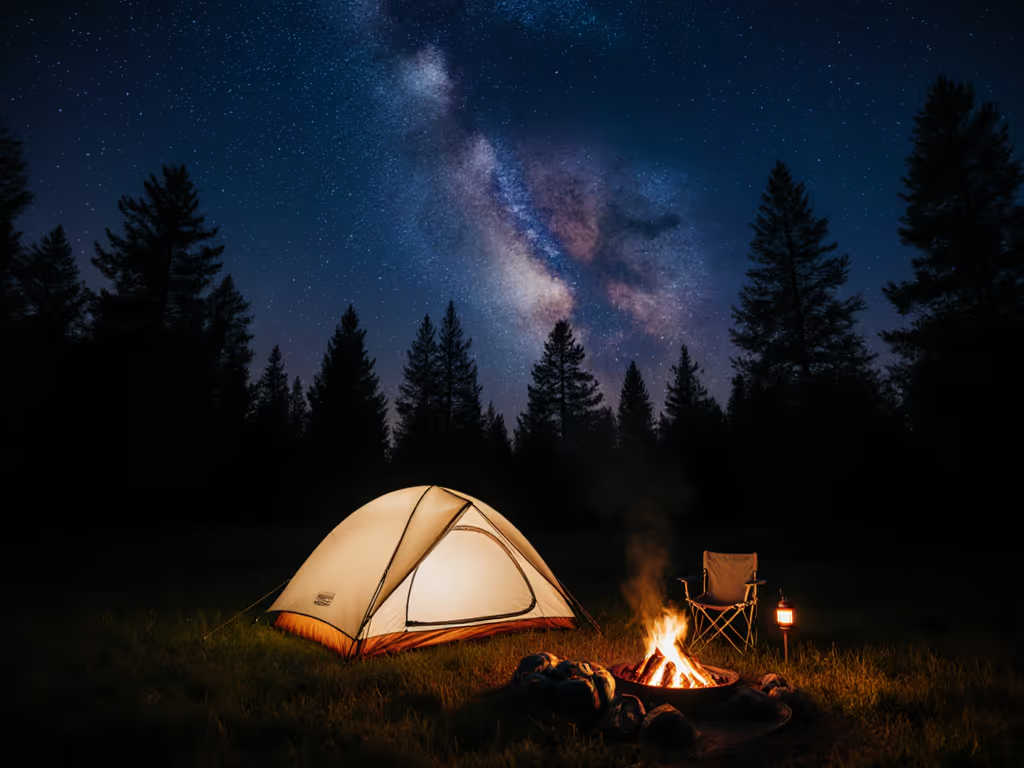
One of the most underestimated factors in camping sleep quality is the color and intensity of light hitting your eyes after sunset. Your body doesn't distinguish between a phone screen and a campfire, both send signals that shift your circadian rhythm and delay melatonin production while camping. Understanding this mechanism is the foundation for restful nights outdoors and, by extension, for preserving the starlit sky that drew you there in the first place.
Why Light Matters More at Camp Than at Home
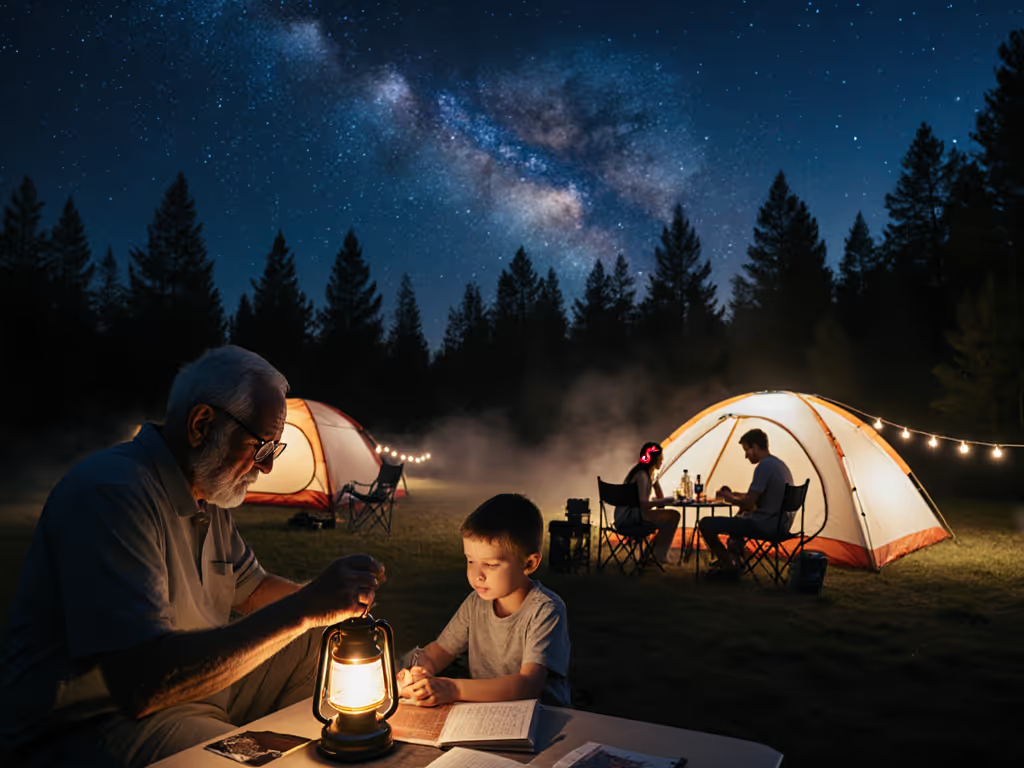
At home, blackout curtains and distance from neighbors forgive sloppy lighting choices. At camp, light is intimate and inescapable. To choose colors that calm your circadian system and your neighbors, see our warm vs cool white camping lights guide. A harsh, cool-white lantern doesn't just rob you of sleep; it bleeds onto neighboring tents, erases the Milky Way, and signals to your tent-mates that it's time to stay awake. The reverse is also true: thoughtful lighting (warm, deeply dimmable, and directional) creates a calm foundation for better sleep and neighborly coexistence.
How Does Light Exposure Affect Your Circadian Rhythm?
Your circadian rhythm is a roughly 24-hour cycle of physiological processes, anchored primarily by light cues reaching the retina. When light in the blue wavelengths (roughly 460-480 nanometers) enters your eye during evening hours, specialized cells called intrinsically photosensitive retinal ganglion cells send signals to your brain's suprachiasmatic nucleus (the master clock). That clock then suppresses melatonin production, the hormone responsible for sleep onset and quality.
This is why nighttime light exposure is so disruptive. If your campsite is bathed in 5000K or 6500K light (cool white or daylight tones), your body reads it as midday and delays melatonin release by 1-2 hours or more. Conversely, warm light around 2700K (similar to candlelight) has minimal impact on circadian suppression and allows melatonin to rise naturally as the evening progresses. For the physiology behind using amber and red after dusk, read our red light camping sleep science guide.
Why Do Campers Struggle with Sleep?
Multiple factors converge:
- Unfamiliar environment: New sounds, slight temperature variations, and ground firmness all fragment sleep in the first 1-2 nights.
- Light spill from neighboring sites: Cool-white headlamps, phone use, and unshielded lanterns bleed across the campground.
- Children and restless sleepers: Any bright light wakes them instantly, and sleep cycle disruption cascades through the group.
- Altitude, time zone shifts, and physical exertion: These compound circadian misalignment.
- Insufficient darkness: Many campsites have ambient light pollution from nearby towns or ranger stations.
Light is the only one you can control immediately and reliably. When I reset my toddler's bedtime with warm, low-level path markers and a soft 2700K lantern inside the tent, sleep solidified within one night, not because the lantern was clever, but because melatonin could finally rise unimpeded.
FAQ: Practical Sleep-Friendly Lighting
What is the ideal light color for a sleeping campsite?
Warm amber or red light (roughly 2700K or lower) preserves melatonin production and night vision. Red wavelengths (620+ nanometers) are nearly invisible to the circadian clock and are favored by astronomers and military personnel for this reason.
Do not use blue-heavy, cool-white light (5000K and above) in the evening. This includes most standard LED camping lights and smartphone flashlights. If you must use a white light for safety or navigation, keep it as low as possible and use physical shading to direct it downward and away from sleeping areas.
What does CRI mean, and why should I care?
Color Rendering Index (CRI) measures how accurately a light source reveals the true colors of objects compared to natural light. Get the full breakdown of camping light CRI and when it matters. A CRI of 90 or higher is considered "excellent" and reveals skin tones, food colors, and injury details with clarity. A CRI of 70 or lower (common in cheap camping lights) makes everything look muddy, desaturated, or untrustworthy, practical for finding your way to the latrine, but frustrating for cooking, first aid, or sorting gear.
Warm light with high CRI (95+) is ideal for camp gatherings and task work in early evening. Once bedtime approaches, shift to low-level warm light or red only. This two-tier strategy balances pleasure and respect for sleep.
How can I manage sleep cycle disruption without being a bad campsite neighbor?
The answer lies in control and consent:
- Use directed, shielded lights: Clip lights to your tent or table rather than raising a freestanding lantern that broadcasts to all directions.
- Dim is a setting, not a compromise. Most lights offer 5-10% low modes that are plenty for reading or moving about camp once your eyes adapt (typically 20-30 minutes). If your light doesn’t dim low enough, compare options in our adjustable LED camping lighting guide.
- Communicate with your group: Agree on a "lights out" time and which lights stay on for safety (path markers only).
- Use red-mode headlamps or red cellophane filters for anyone moving about after dark.
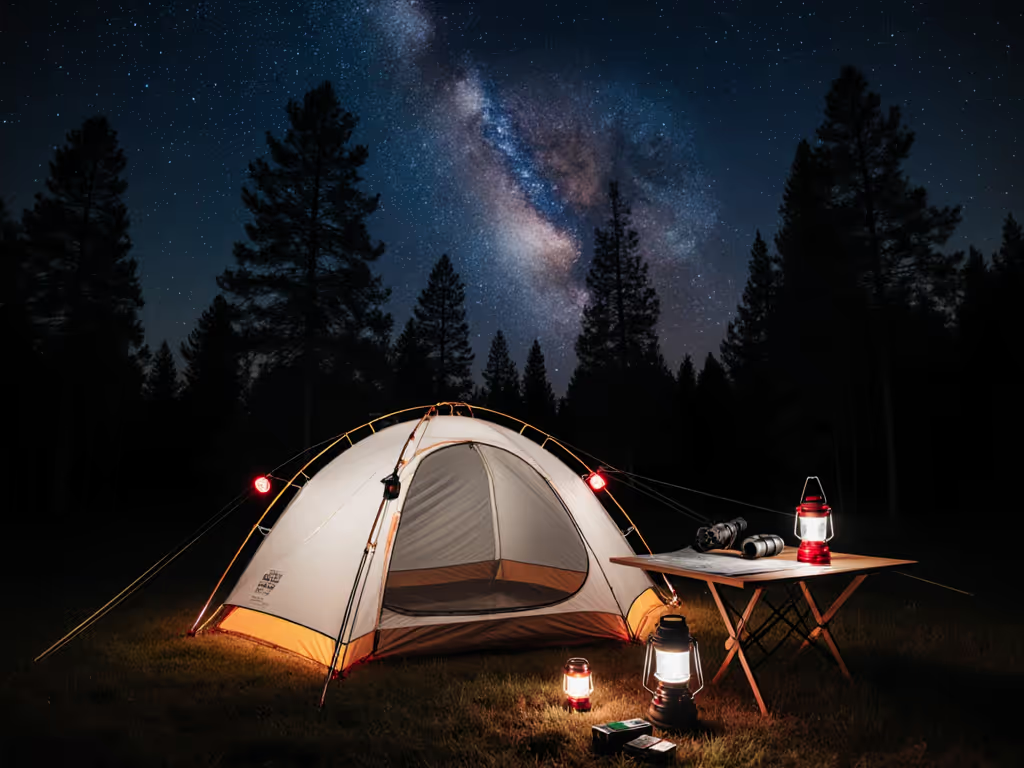
- Shield tent windows: A simple piece of black fabric or duct tape over the tent's light panel prevents interior glow from leaking out.
Gentle light makes every voice easier to hear, including the quiet comfort of a dark campground.
What about dawn simulation camping?
Dawn is the second anchor point for your circadian rhythm. Sunrise (and even the subtle light increases 30-60 minutes before sunrise) signals your body to wake and begin cortisol release. This is a healthy, natural process.
To optimize it:
- Position your tent so morning light enters gradually (east-facing is ideal in temperate zones).
- If your tent fabric is very opaque, consider cracking a vent or partially opening the rain fly 30 minutes before your desired wake time on longer trips.
- On trips where you want to sleep late, use an opaque black tent and rely on an alarm, but accept that your body will feel slightly out of sync until you return home.
Should I bring multiple lights, or is one enough?
One light creates conflict: if it's warm and low for sleeping comfort, it's too dim for safety and cooking. If it's bright enough for all tasks, it disrupts sleep.
Instead, layer your kit:
- A task lantern: 90+ CRI, 2700K, dimmable to at least 30% for cooking and socializing in early evening (roughly 30-90 minutes after sunset).
- A low-level marker or ambient light: Red or very warm (2000K or lower), ~20-50 lumens, for path safety and tent interior after bedtime.
- Headlamps with red or low-mode access: For anyone moving between tents or to the facilities.
This approach respects melatonin production while camping while maintaining safety and allowing your group to rest.
How far in advance should I plan my lighting kit?
Treat it as part of trip planning, not last-minute gear. A few weeks before:
- Check your lights' battery charge level and test low and red modes.
- Confirm runtime at your chosen brightness for the number of nights you'll camp.
- Verify that your group agrees on a bedtime dimming schedule.
- Pack any diffusers or shading materials separately so they don't get left behind.
On arrival, orient your tents and lights before dusk. Spend the first hour testing placement, checking that spill doesn't reach neighbors, and adjusting beam angles. This 15-minute investment pays dividends in comfort and community respect.
Further Exploration
- Research the latest findings on circadian rhythm lighting from sleep medicine journals and institutes focused on light biology. Studies from the Brigham and Women's Hospital and University of Colorado Boulder are particularly robust.
- Spend one trip intentionally varying your lighting: night one with standard white light, night two with warm, dimmable light, and observe your sleep quality and group dynamics. Data from your own experience is powerful.
- Connect with local astronomy clubs or dark-sky advocates in your region (they often share detailed lighting guidance tailored to specific parks and seasons). For step-by-step practices that protect star visibility at camp, use our dark-sky-friendly camp lighting guide.
- Consider how your lighting choices extend beyond sleep: reduced light pollution supports nocturnal ecosystems, allows others to see stars, and strengthens a shared ethic of restraint and care.
Light is a tool, not a broadcast. By choosing warm, dimmable, directional light (and respecting the darkness around it) you create conditions where melatonin can rise naturally, sleep deepens, and everyone's tent stays just a little bit quieter. The Milky Way returns, too, and that's worth the small effort of thoughtfulness.
Related Articles