Propane Lantern Care: Reliable Winter Camp Lighting
By Naoko Sato • 11th Jan

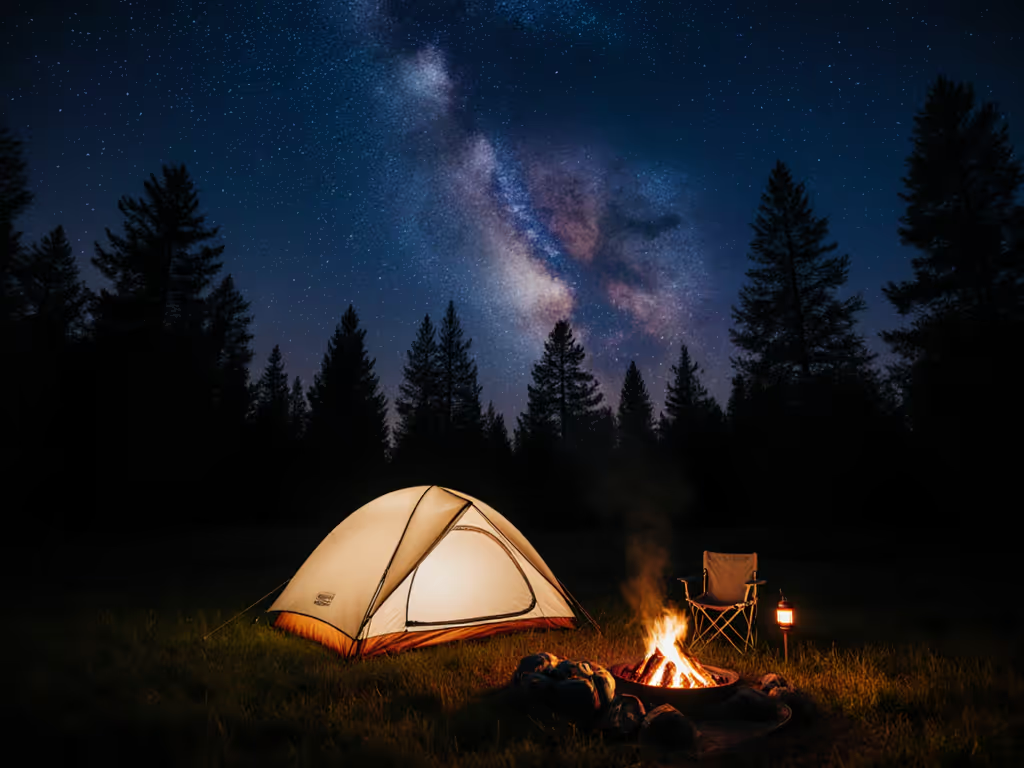
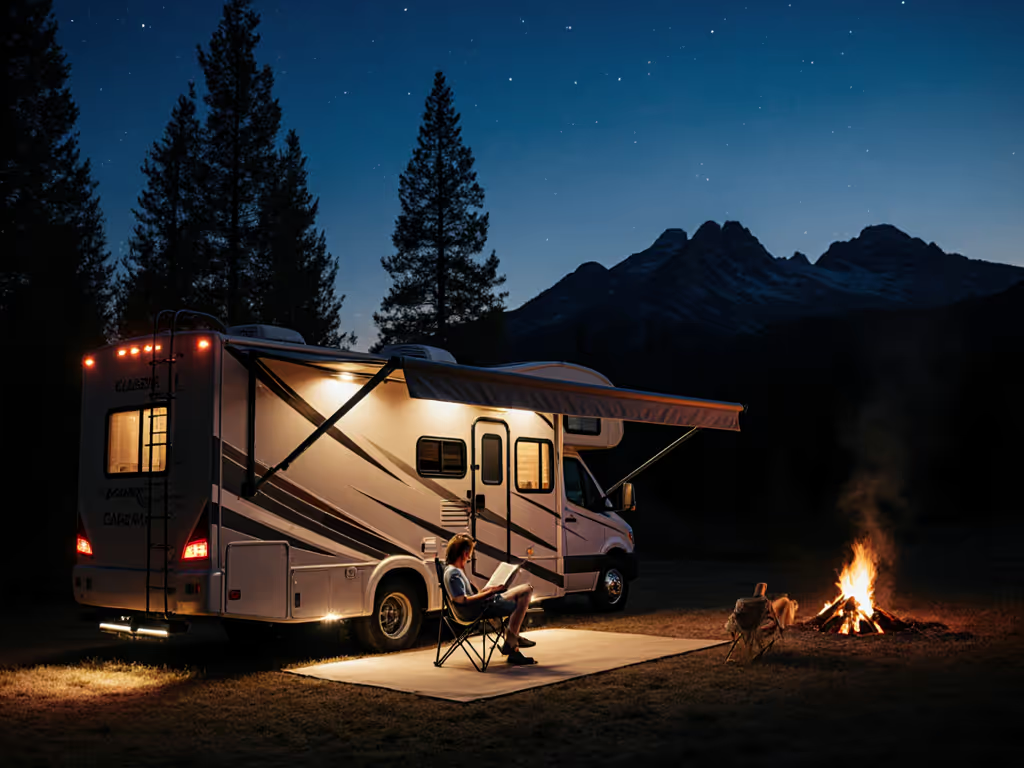
As temperatures drop and days shorten, your choice of camping lanterns becomes critical. While many reach for electric camping lanterns, propane models offer unique advantages for winter camping, especially when battery performance falters in cold conditions. But flame-based lighting requires thoughtful maintenance to deliver reliable, comfortable light that respects both your group and the surrounding wilderness. Guided by the principle that light should serve people and place, never dominate them, I'll walk you through caring for your propane lantern to create a warm, functional campsite that preserves night vision and star-filled skies.
Why propane outperforms electric camping lanterns in winter
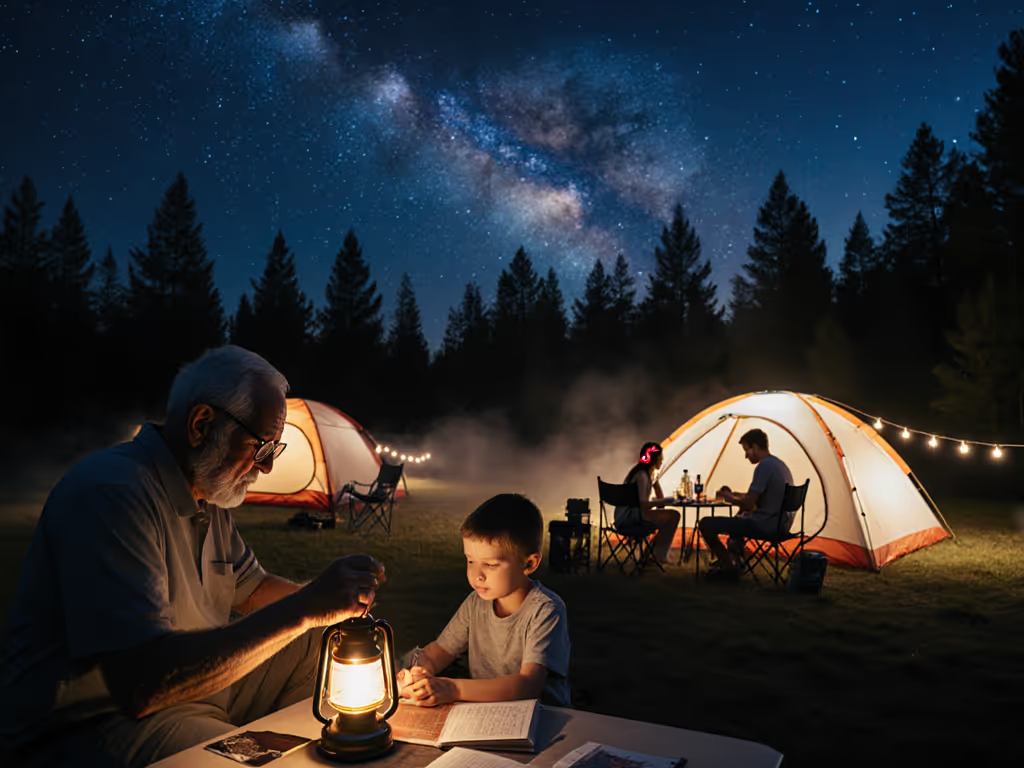
When mercury dips, lithium-ion batteries powering most electric camping lanterns lose up to 50% of their capacity. Propane lanterns (properly maintained flame-based lighting) avoid this cold-weather drawback entirely. The fuel itself remains stable down to -40°F, while the mantle's incandescent glow creates a warm light spectrum (typically 1800-2000K) that naturally supports melatonin production. Unlike cool-white LEDs that disrupt sleep cycles, this gentle warmth helps families settle after dark, something I learned firsthand when my toddler kept waking under harsh lighting during a winter camp. Gentle light makes every voice easier to hear as stories linger into the evening.
Q: How often should I perform propane lantern maintenance before winter trips?
At minimum, inspect your lantern after storage and before each season. Focus on:
- Mantle integrity: Replace if brittle or damaged (more on this below)
- Fuel line and connections: Check for cracks or leaks using soapy water
- Ventilation holes: Ensure clear airflow for complete combustion
- Ignition system: Test spark mechanism functionality
A quick pre-trip check prevents 90% of field failures. Remember that cold winter air requires slightly longer warm-up time for the mantle to reach optimal brightness. Allow 2-3 minutes before adjusting brightness.
Mantle care: The heart of your propane lantern
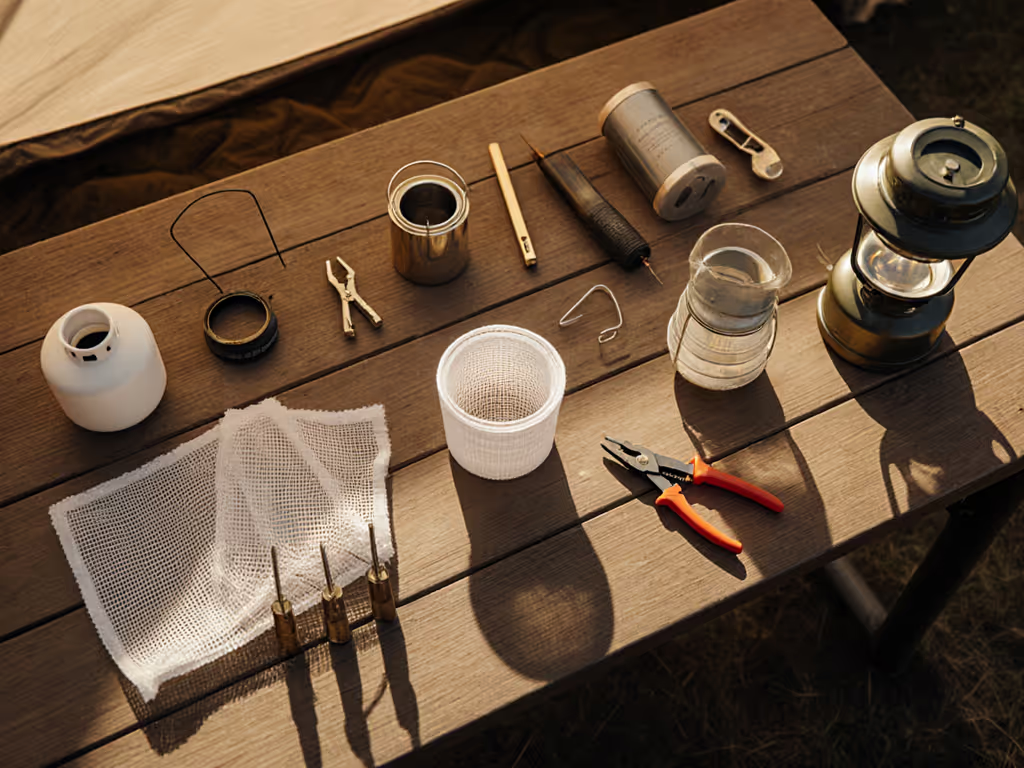
The mantle transforms propane flame into usable light through incandescence. This delicate component requires specific handling:
Q: How do I properly replace a Coleman lantern mantle?
- Remove old fragments: Carefully disassemble the lantern head and remove all broken mantle material, since these fine particles can clog fuel jets
- Prep the new mantle: Gently expand the mesh bag without stretching it
- Secure at top: Clip the mantle to the top suspension wires first
- Attach bottom: Twist the lower wires to secure the base
- Pre-burn: Ignite the mantle without fuel for 30-60 seconds to burn off manufacturing residue
This final step is crucial (you are not lighting the mantle itself but the residue coating it). Skipping pre-burn causes uneven combustion and dramatically shortens mantle life. Quality mantles (like those for Coleman Northstar models) typically last 50-100 hours when properly installed.
Q: Why do mantles break so easily during transport?
Mantles are made of thorium-free fabric that becomes brittle after initial burning. They're designed for stationary use, not vibration tolerance. For winter trips with significant travel:
- Store lanterns upright in padded cases
- Consider adding foam padding around the lantern head
- Carry spare mantles (3-4 per lantern) in original packaging
Under most conditions, as Coleman recommends, lanterns can be wiped down with warm water and dish soap, then dried before storing. This prevents moisture buildup that accelerates mantle deterioration during storage.
Optimizing light quality for winter camp life
Q: How can I reduce glare from flame-based lighting without sacrificing brightness?
Properly positioned lanterns create even ambient light without harsh shadows:
- Elevate strategically: Hang 4-6 feet above ground level (never directly overhead)
- Diffuse naturally: Use the lantern's built-in globe (never remove it)
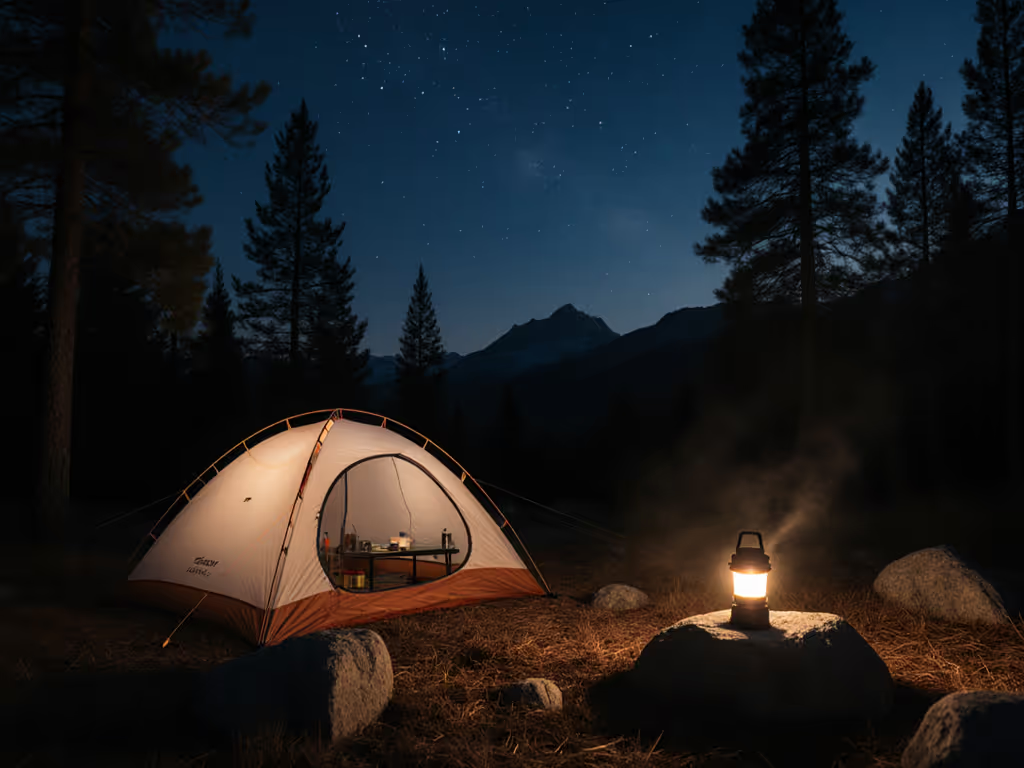
- Add shielding: Position lanterns near trees or tent walls to bounce light indirectly
- Lower brightness: Adjust fuel flow to the minimum usable setting
protect the pupil
This is the mantra when adjusting your campsite lighting. Remember that your eyes need time to adapt to darkness (just 2 minutes at 10 lumens versus 30 minutes at 100 lumens). By reducing unnecessary brightness, you preserve night vision for safe movement after lights-out. For a full walkthrough on creating warm ambiance without glare, see our camp lighting guide.
Q: How do I prevent light pollution that affects neighbors and astronomy?
Three simple practices create considerate campsite lighting: For dark-sky-friendly setups and etiquette tips, read our Dark-Sky-Friendly Camp Lighting Guide.
- Directional control: Position lanterns facing inward toward your campsite
- Shielded fixtures: Use lanterns with full collars that prevent upward light spill
- Appropriate timing: Dim or extinguish lights after bedtime (propane lanterns adjust instantly)
Unlike electric camping lanterns with fixed beam patterns, propane models let you manually control brightness and direction. This flexibility supports campsite etiquette: when conversation winds down, simply turn down the flame rather than switching to obtrusive colored modes.
Winter-specific propane lantern maintenance
Q: How does cold weather affect propane lantern performance?
Two primary challenges emerge in winter: If you're integrating any electric lights, consult our winter tent lights cold-weather battery guide to pick models that still perform below freezing.
-
Fuel pressure drop: Cold temperatures reduce vapor pressure in propane tanks
- Solution: Store fuel canisters in an insulated bag or inside your sleeping area overnight
- Alternative: Use isobutane-propane blends designed for cold weather
-
Moisture buildup: Temperature fluctuations cause condensation inside components
- Solution: After each use, run the lantern for 5 minutes on high to evaporate moisture
- Prevention: Store in airtight bags with silica gel packets
Q: What safety precautions are essential for winter use?
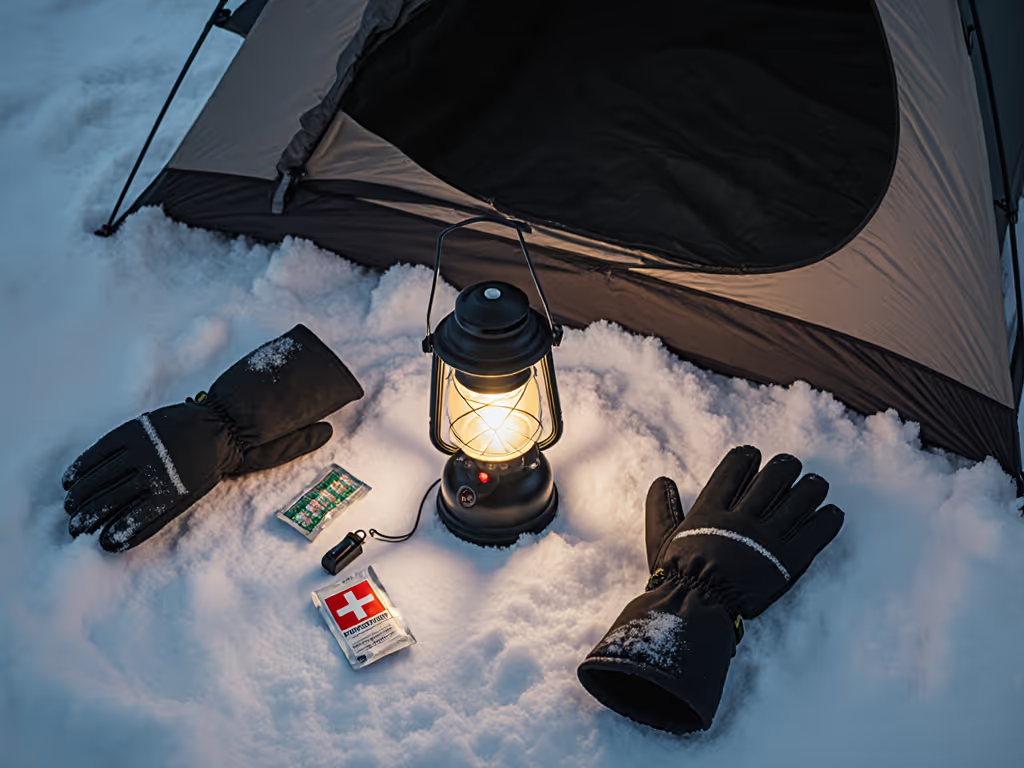
While propane lanterns excel in cold conditions, proper ventilation remains critical. Never use flame-based lighting in completely sealed spaces (even a small tent requires at least one opened vent positioned away from the lantern). The combustion process consumes oxygen and produces water vapor and carbon dioxide. In extremely cold conditions, frost buildup around the lantern indicates adequate ventilation, and no frost suggests insufficient airflow.
Creating a complete winter lighting system
Q: How do I integrate propane lanterns with other lighting for full functionality?
The most effective winter lighting systems layer three elements: To build backups and fail-safes, follow our layered emergency lighting system guide.
| Layer | Purpose | Propane Solution |
|---|---|---|
| Ambient | General campsite lighting | Propane lantern at 30-50% brightness |
| Task | Cooking, repairs, reading | Shielded propane lantern or focused headlamp |
| Path | Safe nighttime movement | Low-profile ground markers (not propane!) |
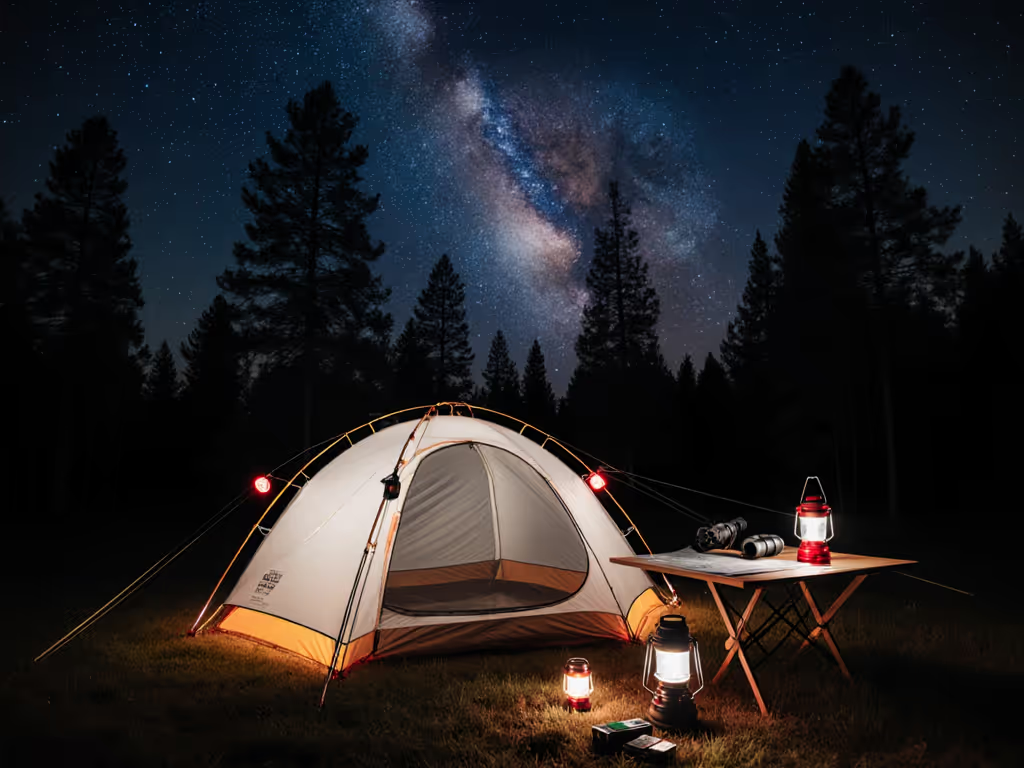
For task lighting, consider positioning your propane lantern behind a translucent heat-resistant panel to create directional work light without glare. This approach maintains the warm CCT (1800-2000K) essential for preserving night vision, something cool-white electric camping lanterns often fail to provide.
Final thoughts: Light as a campsite citizen
Well-maintained propane lanterns deliver reliable, warm light when batteries falter in winter conditions. Through thoughtful propane lantern maintenance and placement, you create campsite lighting that supports conversation, preserves night vision, and respects neighboring campers. That night when the Milky Way returned after adjusting our family's lighting taught me something profound: light isn't measured in raw lumens but in the quality of experience it enables. When done right, your flame-based lighting becomes nearly invisible, felt only as comfort and safety rather than seen as glare or pollution.
For those ready to deepen their understanding of campsite lighting integration, the Backpacker magazine winter lighting guide offers detailed comparisons between flame-based and electric options across multiple temperature ranges. Remember that the best light is the least light necessary: protect the pupil, preserve the stars, and let darkness deepen your connection to the wilderness.
Related Articles