Terrain-Tuned Campsite Lighting: Harmony & Clarity
By Naoko Sato • 19th Jan
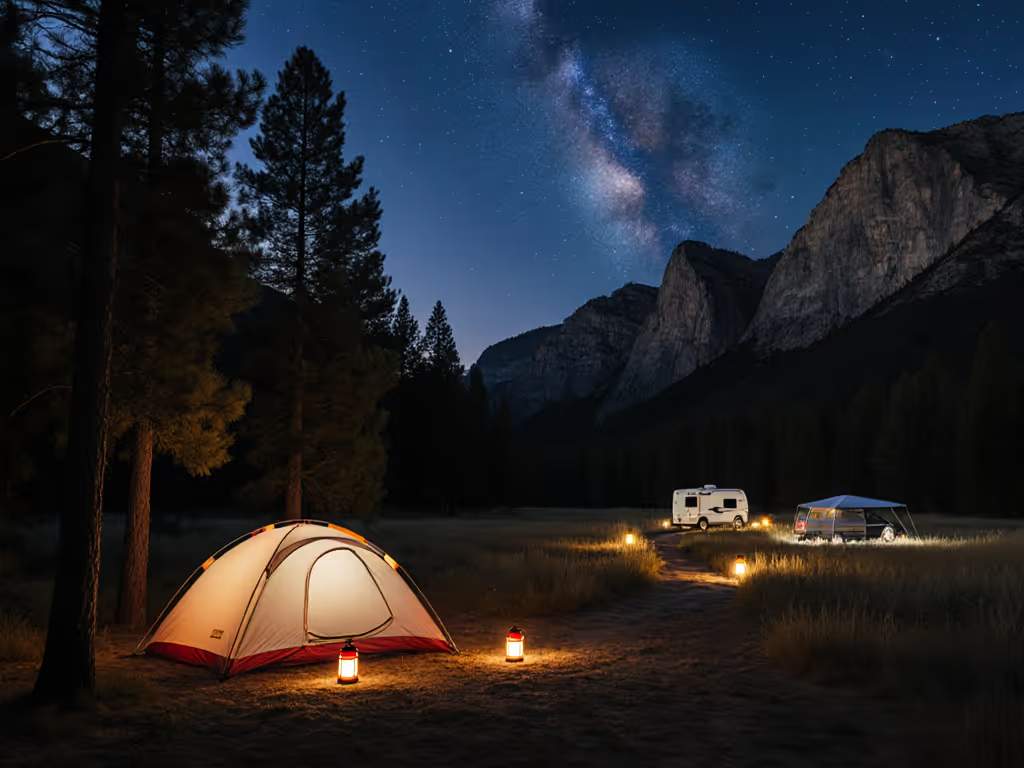
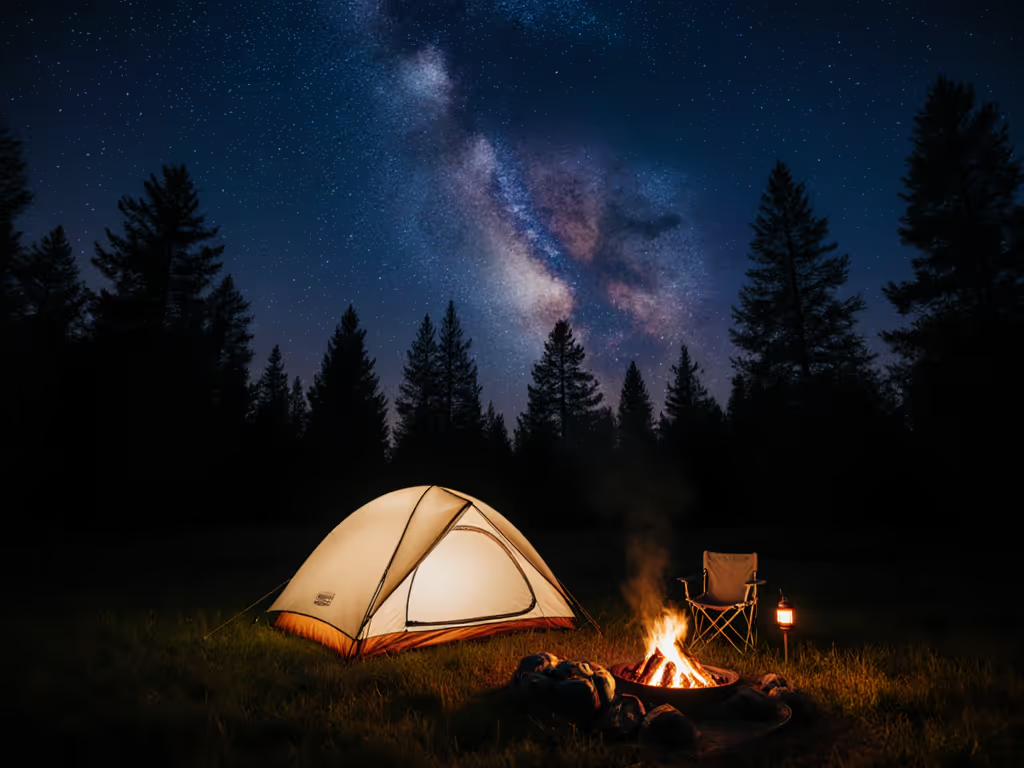
When harsh white beams sliced through the canopy during a family campout, our toddler's sleep vanished, and so did the Milky Way. That night taught me a fundamental truth: camp site lighting isn't about conquering darkness but collaborating with it. For tent camping lights to truly serve us, they must honor the landscape's rhythm, preserve night vision, and protect the pupil. Let's explore how terrain shapes smart illumination, without washing out the stars.
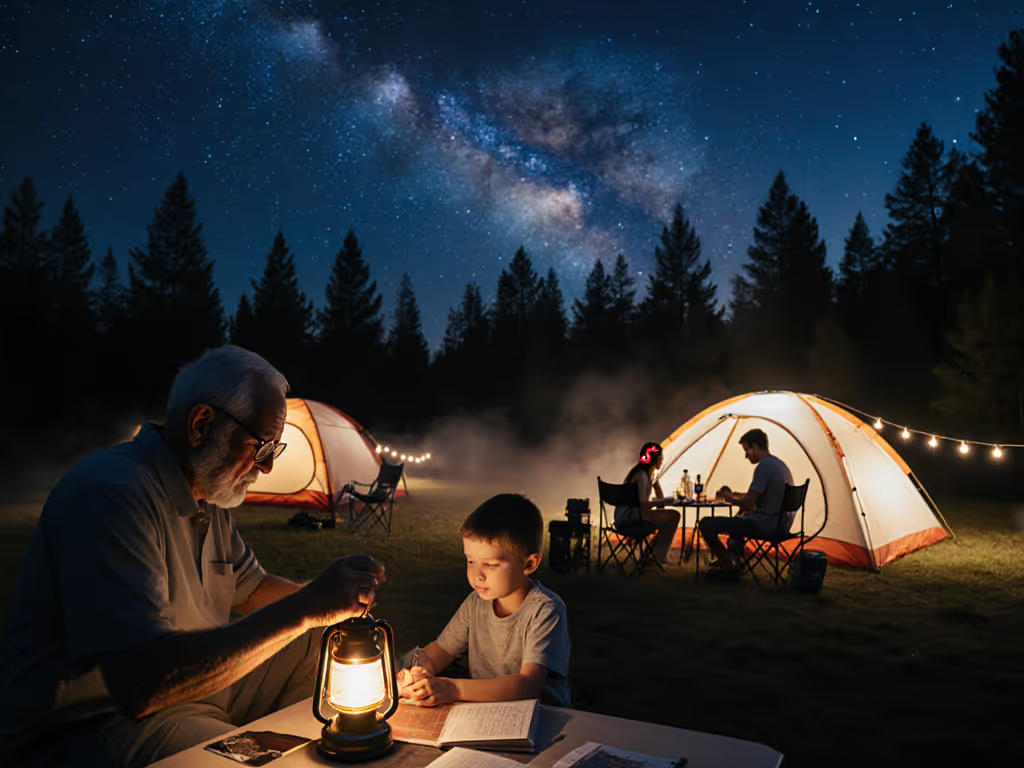
Gentle light makes every voice easier to hear.
Why Your Lighting Fails in Different Terrain (And How to Fix It)
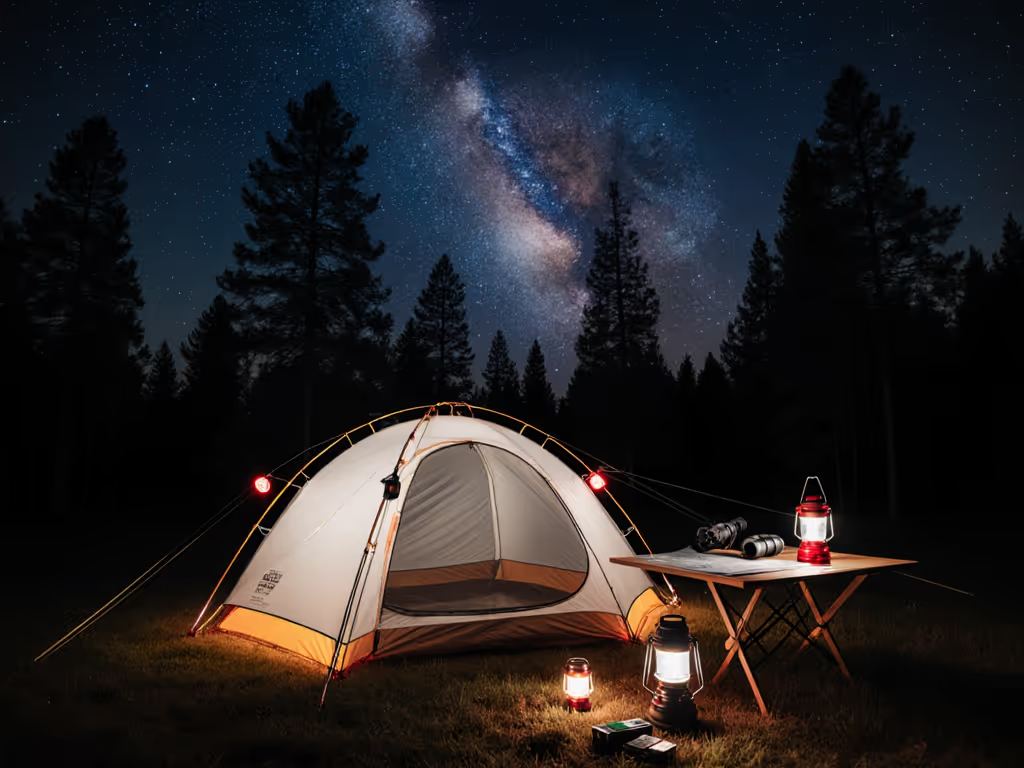
Q: How do I light a dense forest campsite without glare blinding me or neighbors? The problem: Trees trap light, reflecting harsh spill onto faces and tents. Cool-white LEDs (5000K+) scatter wildly in foliage, ruining night vision. The solution: Dense forest visibility demands warm, shielded light (2700-3000K). Hang compact lanterns below eye level (never above) with deep-cut reflectors to minimize bounce. Use red-mode headlamps for pathfinding; they penetrate shadows without dazzling. Position tent lights low and shielded, like the Rhody+ lantern's downward glow. Remember: Natural light reflection in forests works best when your artificial light adds warmth rather than fighting shadows.
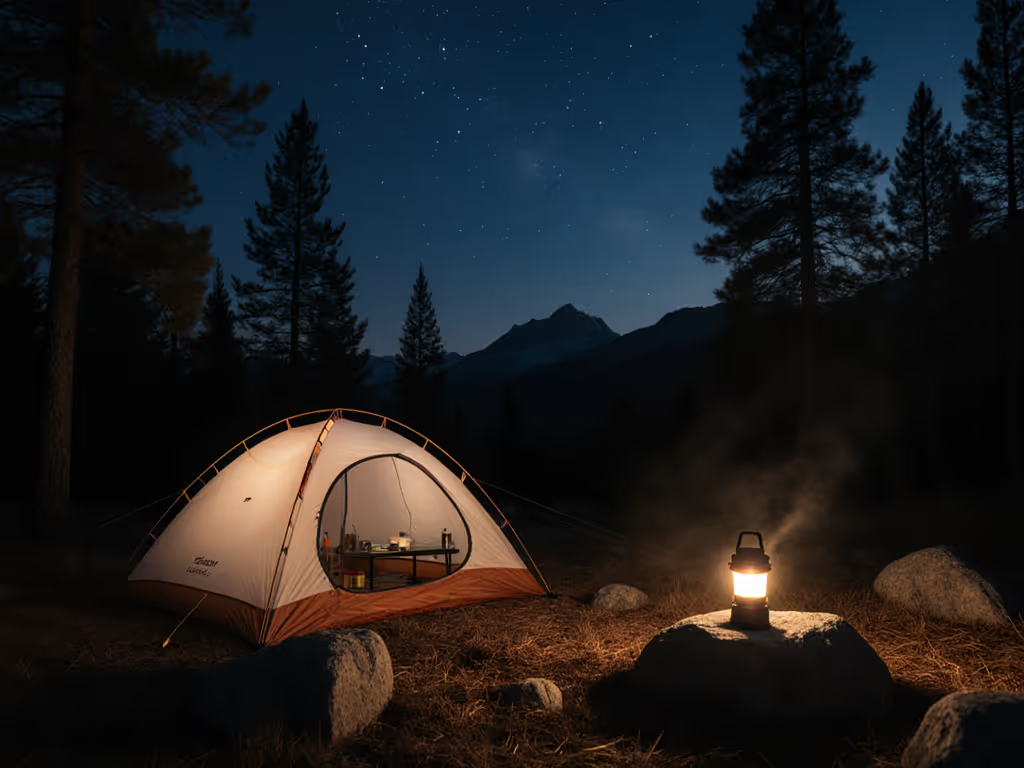
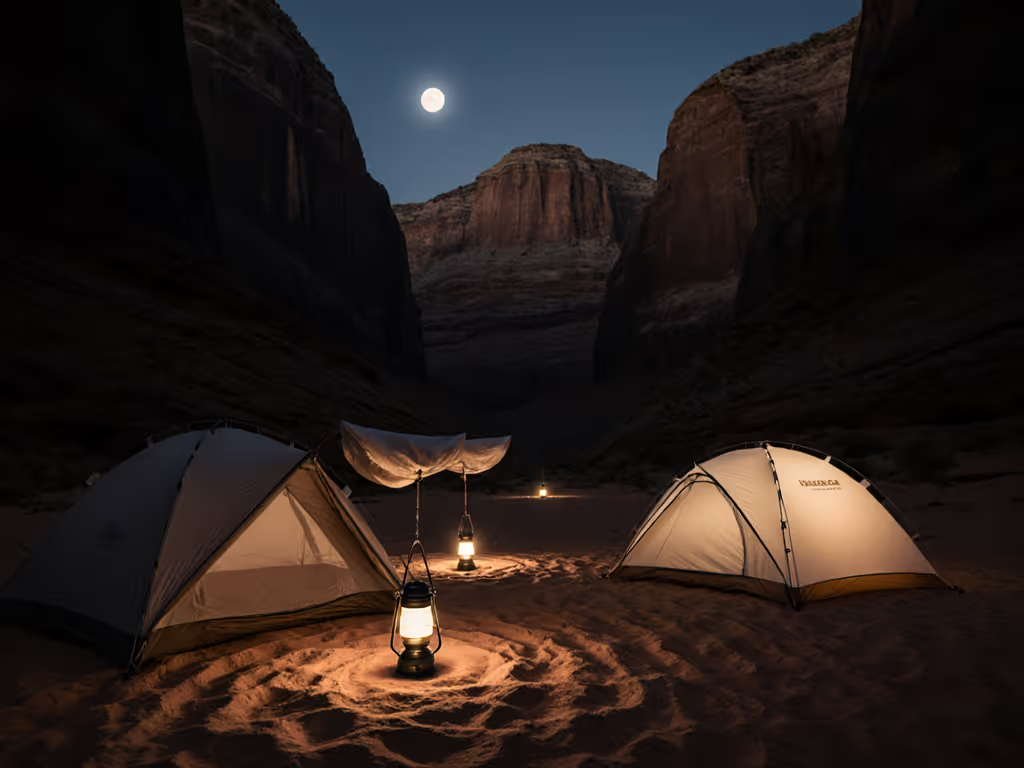
Q: Why do canyon campsites feel unnaturally bright at night? The problem: Rock walls amplify glare, turning a 200-lumen lantern into a stadium light. This shocks night vision and wakes campers. The solution: Canyon lighting strategies prioritize diffusion and height control. Place lanterns inside tents or under fabric shades to soften edges. Avoid direct ground placement, opt for elevated, shielded fixtures that cast light horizontally across social areas, not vertically onto walls. A single 150-lumen warm-white lantern, diffused through a snow peak, often outperforms unshielded high-lumen models.
Q: My open plain campsite feels exposed at night. How do I create safe, contained lighting? The problem: On flat terrain, unshielded light travels far, disturbing distant camps and sacrificing stargazing. Solution: Open plain illumination requires tight beam control. Use directional lanterns with frosted lenses or DIY diffusion (e.g., a white bandana). Place path markers at ankle height along tent lines (15-lumen amber LEDs suffice). For cooking, angle a single task light downward over your station. This creates a "light well" that serves your group without spilling skyward. Pro tip: Moonlight is your ally; on bright nights, skip artificial lighting for social areas entirely. Natural light reflection here is your most efficient tool.
The Hidden Science: Making Light Work With You
Q: How do CCT/CRI actually impact campsite harmony? The reality: Most "warm white" camping LEDs are 3500K+, still too cool for circadian health. True 2700-3000K (like candlelight) preserves melatonin production. Pair this with 90+ CRI (Color Rendering Index) for accurate color perception during first aid or cooking. Why it matters: Low-CRI lights make rust look like dirt, delaying critical gear repairs. High-CRI warmth transforms camp chores into calm rituals.
Q: What's the #1 mistake with path lighting? The oversight: Campers over-light pathways, killing night vision. The fix: Install 8-12 lumen markers (not footlights) every 3-4 feet. For placement tradeoffs and when to use ground-level markers versus overhead lines, see our pathway vs string lighting safety comparison. They should hint at terrain, not reveal it. Amber or red LEDs prevent disorientation when transitioning from task light to darkness. For family sites, use recessed tent-stake markers that glow only downward.
Etiquette-First Lighting: Your Neighbor's Night Vision Matters
Q: How do I avoid becoming "that bright campsite"? The ethos: Light should serve people and place, never dominate them. Before pitching, scan for nearby tents: if you see their light, yours likely invades theirs. Shield all lanterns facing neighbors. At 9 PM, dim to conversation mode (80-100 lumens). Use downward-facing headlamps for bathroom trips (never "white turbo" mode). Remember: Dark-sky preserves ban unshielded lights; design your kit accordingly. Get practical steps in our dark-sky-friendly camp lighting guide.
Q: Why do kids sleep better with terrain-aware lighting? The insight: Cool light suppresses melatonin 2x faster in children. Replace bright tent bulbs with 2700K LEDs set to 50 lumens (like a nightlight). For path markers, choose red, least disruptive to sleep cycles. During that pivotal family campout, swapping to warm, shielded light meant stories lingered longer and wake-ups vanished. Gentle light isn't less light, it is smarter light.
Power & Practicality: Your Terrain-Tuned Checklist
Before you pack:
- Match lumens to terrain: Forests need lower intensity (100-150 lumens) than open plains (150-200 lumens) due to reflective surfaces.
- Standardize power sources: Use USB-C rechargeables (18650 batteries) across all lights. Calculate mAh: (lumens ÷ 10) x hours needed x 1.3 (for reserve).
- Test beam control: Shine lights on a wall at home. If you see harsh hotspots, skip it, opt for even flood beams. For task-specific recommendations, use our flood vs spot beam pattern guide.
- Pre-dusk ritual: Dim lights 30 mins before bedtime. Helps eyes adjust to natural darkness.
Protect the Pupil: The Quiet Power of Restraint
Lighting mastery isn't measured in lumens but in moments preserved: a whispered conversation under pines, a child's unbroken sleep, the sudden clarity of the Milky Way. When we design camp site lighting that defers to terrain (and to each other), we don't just illuminate space. We deepen connection. Whether in a canyon's embrace or a forest's hush, let your tent camping lights be a quiet invitation to presence.
Further exploration: Next time you camp, spend 15 minutes observing natural light reflection at dusk. How does moonlight shape the space? What subtle shadows guide movement? Let that observation inform your artificial lighting, then watch how the night reveals itself.
Related Articles