Red Light Camping: Save Wildlife, Preserve Night Vision
By Amara Patel • 30th Nov
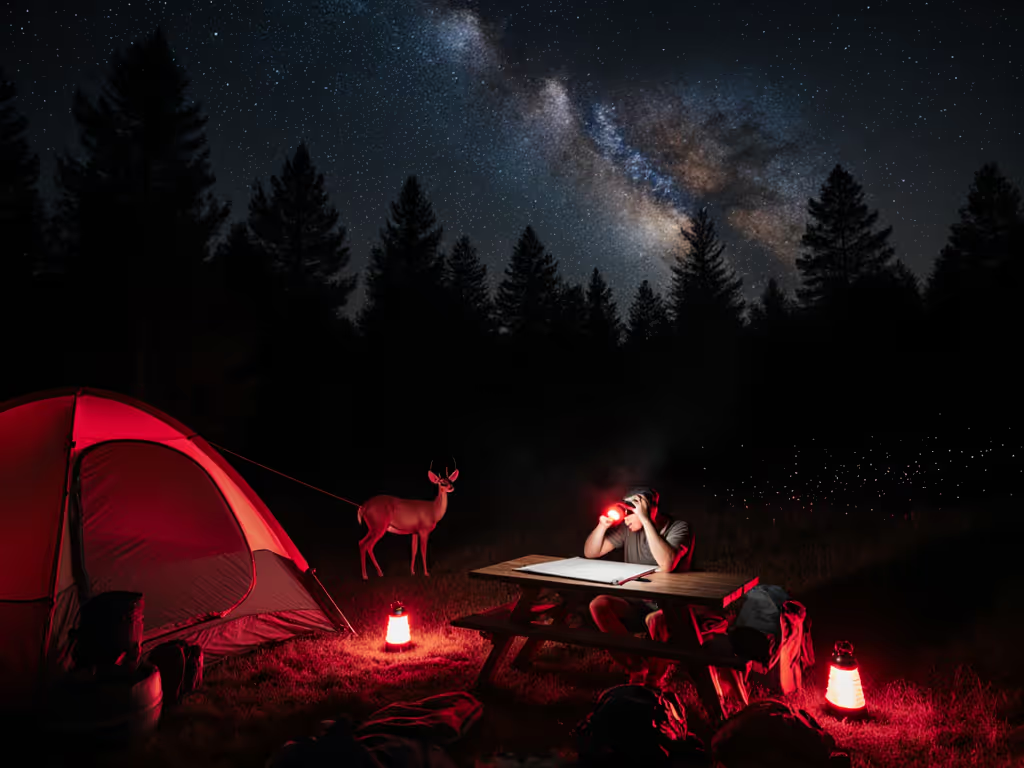
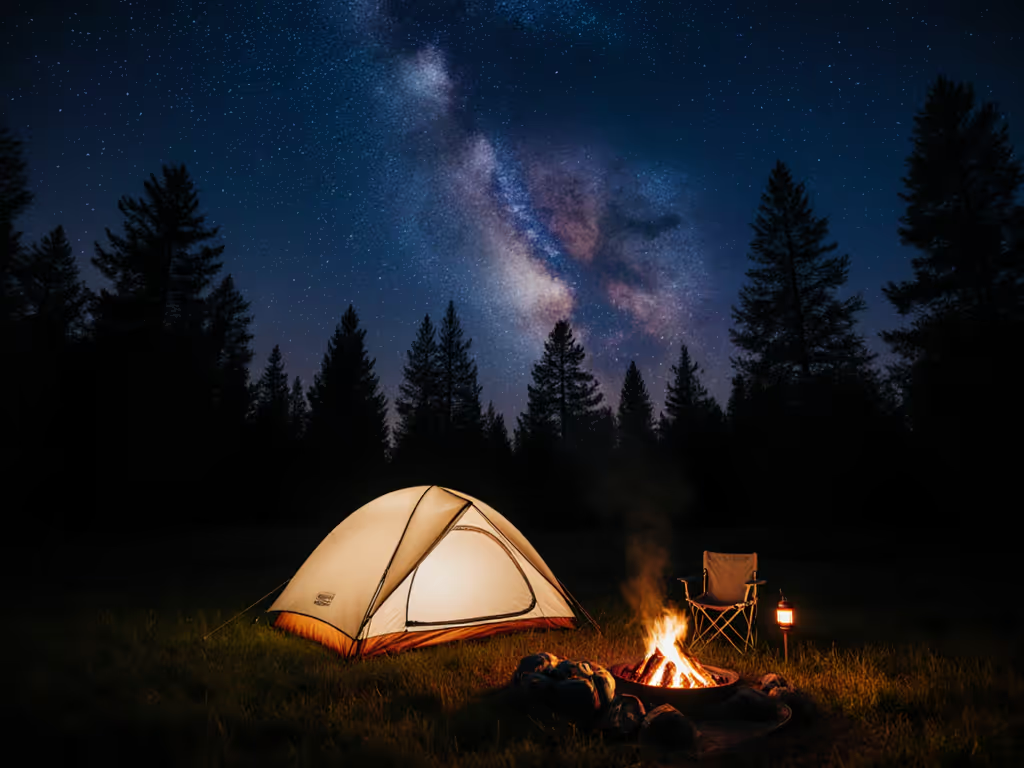
As someone who's organized community trips for over a decade, I've learned that thoughtful tent camping lights can make or break your wilderness experience, especially when considering light impact on animals. That beach camp where our lanterns died by night two taught me a universal truth: preparedness equals clarity plus restraint. Today's research confirms what many of us have felt intuitively: red light is not just a niche preference, but a scientifically supported approach that benefits both campers and ecosystems. Let's explore how to implement this knowledge practically, with a checklist that keeps bill of materials and costs visible.
Why Red Light Camping Matters: 10 Actionable Insights
1. Wildlife Protection Through Strategic Spectrum Choice
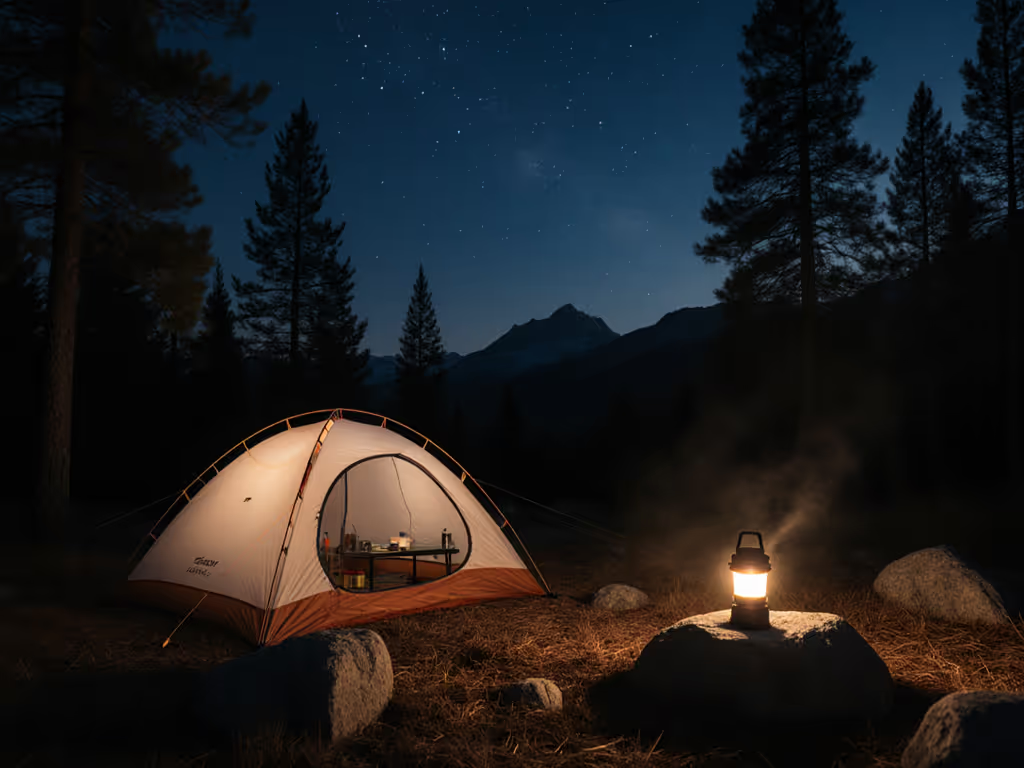
A recent red light wildlife study published in Lighting Research & Technology reveals red light's nuanced effects on nocturnal ecosystems. While not universally benign (some migratory birds show disrupted magnetic orientation under red light), research confirms it significantly reduces negative impacts on many species compared to white or blue spectra. National Park visitors consistently report that red lighting "promotes more natural wildlife behaviors" and "provides benefits for wildlife and insects", a sentiment backed by ecological observations. This aligns perfectly with dark sky wildlife protection principles that prioritize warmer color temperatures.
2. Night Vision Preservation for Safer Camp Navigation
Your eyes contain two types of photoreceptors: cones for daylight/color vision and rods for low-light vision. Rods are virtually insensitive to red wavelengths beyond 600 nm, meaning red light preserves your natural night vision while still providing functional illumination. This translates directly to safety: fewer tripping hazards as you navigate camp after dark, and quicker adaptation when moving between lit and unlit areas. During that windswept beach trip, implementing red lighting meant no one stumbled over tent lines while visiting the compost toilet at 2 AM.
3. Insect Reduction: Less Buzz, More Peace
Multiple studies confirm red light attracts significantly fewer nocturnal insects than white or blue light. Research shows this is not just anecdotal, many insects lack photoreceptors sensitive to longer red wavelengths. This practical benefit means fewer bugs swarming your face during evening meals, reducing both annoyance and potential disease vectors. You'll spend less time swatting and more time enjoying quiet camp conversations, all while minimizing your need for chemical repellents, a true win for your personal ecosystem.
4. Stargazing Enhancement Verified by Visitor Experience
Park visitors consistently rate night sky viewing opportunities higher under red light, 36% found red lighting "acceptable" or "highly acceptable" versus only 20% under white light. This is not merely preference; it's physiological. Red light minimizes pupil constriction and preserves dark adaptation, allowing your eyes to maintain sensitivity to faint starlight. The stars really do feel louder when you're not fighting against blue-rich white light flooding your visual field.
5. Wildlife Behavioral Observations: Beyond the Headlamp
Understanding nocturnal animal behavior requires minimizing our disturbance. Parks Victoria in Australia and the Bat Conservation Trust in the UK now recommend specific red lighting protocols for areas with vulnerable species. A 2024 study demonstrated that while some bat species remain unaffected by red light, others still show behavioral changes, proving that even within the red spectrum, we must exercise restraint. Keep your beam low and shielded, directing light only where absolutely necessary.
6. The Human Factor: Safety Without Compromise
Contrary to what some believe, red light does not compromise safety. Research shows it enhances peripheral detection at low light levels while reducing glare-induced disorientation. In campground settings, properly implemented red lighting maintains obstacle awareness without creating blinding hotspots. For broader guidance on camp lighting that helps prevent nighttime accidents, check our safety-focused overview. This is particularly valuable when navigating paths after quiet hours, illuminating just enough to be safe while respecting neighbors' sleep.
7. Strategic Implementation: Your Red Light Checklist
- Intensity control: Use dimmable lights that can drop below 5 lumens for campsite ambiance
- Beam direction: Shield lights to prevent skyward spill (critical for dark sky compliance)
- Spectral purity: Aim for wavelengths above 620 nm (true red, not amber)
- Color temperature: Stick to 1800 K or lower when using warm white alternatives
- Runtime control: Implement lockouts to prevent accidental bright mode activation
This approach keeps your kit minimal while addressing multiple pain points: battery anxiety, etiquette concerns, and light pollution. If you're unsure how bright each task should be, our lumens camping guide breaks down ideal ranges for navigation, cooking, and stargazing.
8. Power Budgeting: Less Energy, Longer Nights
Red LEDs are typically more energy-efficient than white or blue light at the same perceived brightness. This means your camping light LED systems can run longer on the same battery capacity. For a standard headlamp at reading-brightness levels, switching to red might double your runtime. In my community trips, specifying red-only operation for campsite lighting reduced our collective power bank needs by 30%, a significant weight savings for backpackers.
9. Children and Sleep: Creating Calm Environments
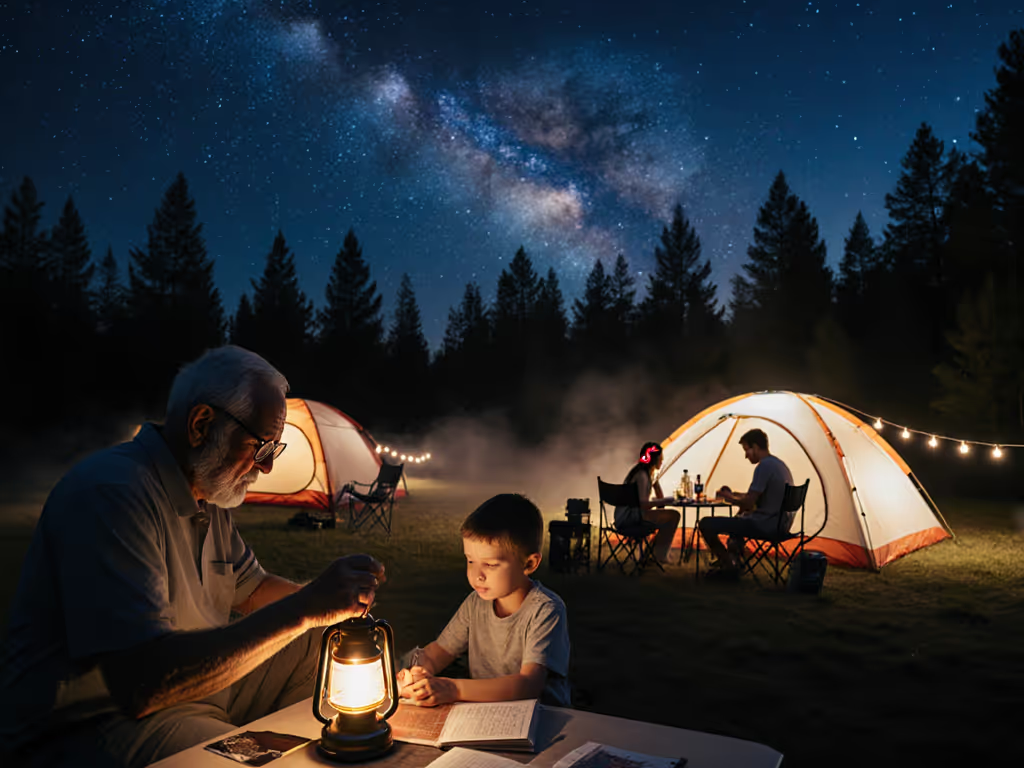
For family campers, red light solves multiple problems simultaneously. Children's sleep cycles are less disrupted by red spectrum light, making midnight wake-ups gentler. Red nightlights won't fully suppress melatonin production like white light, helping kids return to sleep more easily. For the science behind spectrum and sleep on campouts, see our red light and sleep guide. This simple switch creates a more peaceful camping environment for everyone: parents, children, and neighboring campsites alike.
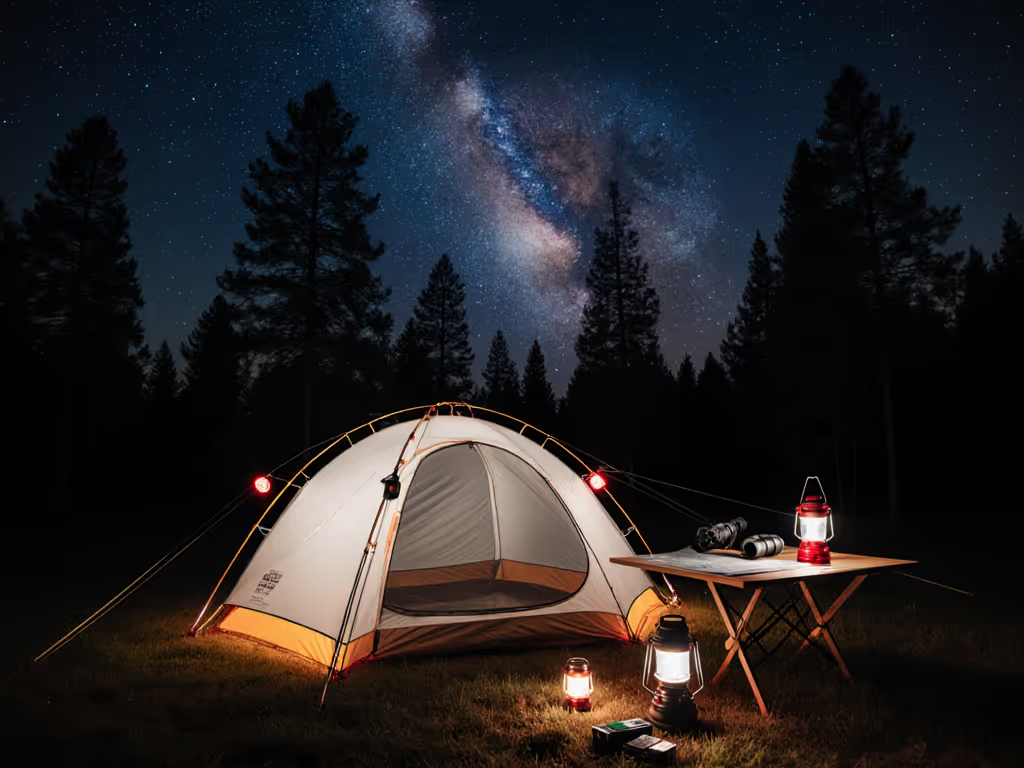
10. System Integration: Building Your Red Light Kit
Spend less, waste less, light with intention and care.
Effective tent camping light systems layer three elements:
- Headlamps with dedicated red channels (single-button access, no mode cycling)
- Area lighting with diffused red output (avoid spotlight effects)
- Task lighting with variable CCT from warm white to red
Focus on USB-C rechargeable models with standard 18650 cells that buy once, use often across multiple lighting applications. Avoid disposable alkaline options, they create unnecessary waste and offer no power budgeting visibility. Your kit should work as a cohesive system where batteries and cables interconnect seamlessly.
Your Actionable Next Step
This weekend, conduct a simple red light experiment: Set up camp with only red lighting for your first two hours after sunset. Note how your night vision adapts, whether insects are less bothersome, and how star visibility compares to previous trips. Then, measure your power consumption, chances are you'll discover you're using significantly less energy while enjoying a richer wilderness experience. Share your observations with your camping community and consider which single upgrade would most improve your current lighting system while respecting wildlife. Remember, the goal is not perfect darkness: it is thoughtful illumination that acknowledges our role as temporary visitors in these shared ecosystems.
Related Articles